Macculloch Hall Historical Museum
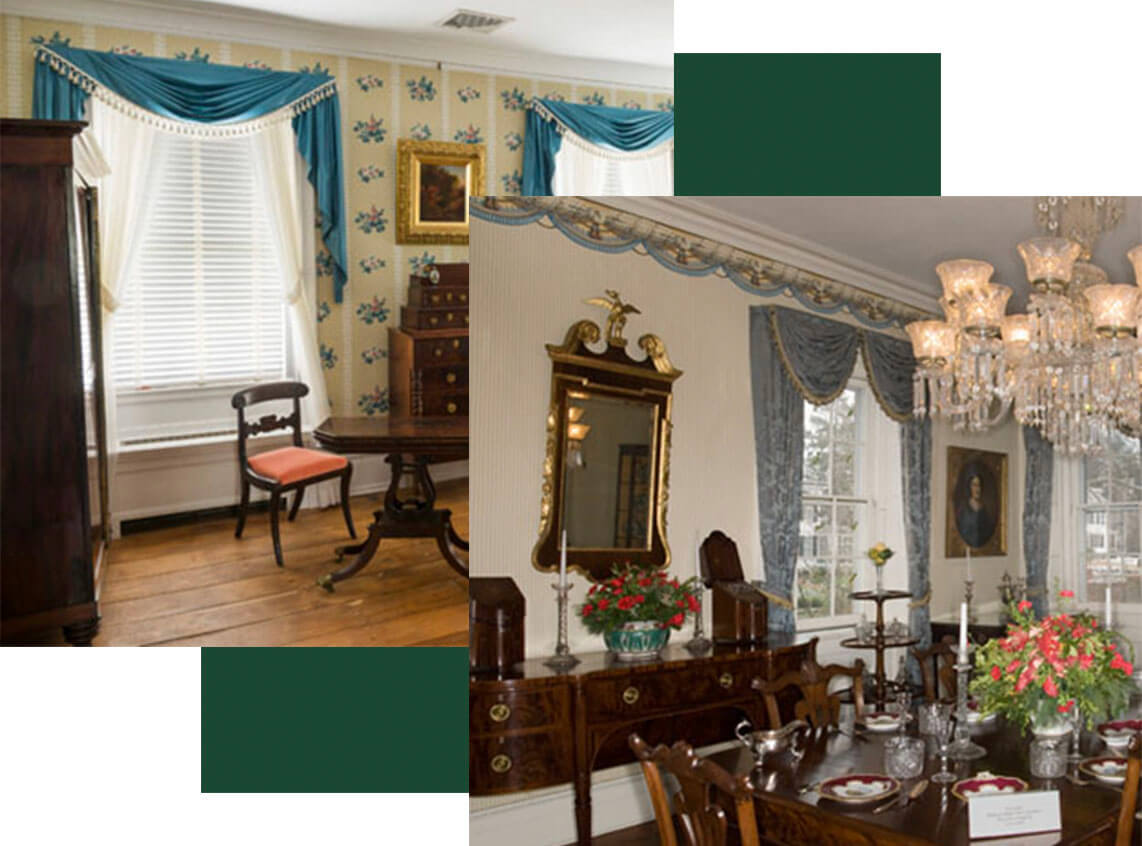
Newly arrived British immigrants George and Louisa Macculloch built Macculloch Hall in 1810. They expanded their Federal-style mansion in 1812 and 1819, tripling its size, as their family's prominence in local, state, and national affairs grew. Come explore the largest collection of original work of political cartoonist Thomas Nast (1840-1902), art, and American history where it happened.
MUSEUM EXPERIENCES
Accessible Audio Guide
Available 24/7 from anywhere!
Please Touch Tour
The Please Touch Tour allows visitors to interpret the historic site and its collections through touch and smell.

Bring Your Own Device Tour
Available on your computer, smartphone, tablet, or other smart device anywhere, anytime!
Collections
Experience American and European fine and decorative art in a nineteenth-century local family's mansion. Explore the work of Thomas Nast (1840-1902), the "father of American political cartoons," who once lived just across Macculloch Avenue.
Historic Gardens
Once home to a 26-acre working farm, today our gardens are open daily FREE to the public. Enjoy MHHM's wisteria, given to the Macculloch family by Commodore Matthew Perry in 1857, and visit the second-oldest sassafras tree in New Jersey.
Open daily 9:00 am to 5:00 pm.
Interactive Home Activities
Explore MHHM at home! Visit us online for things to do.
Educational Programs
We're excited to learn with you! Explore our programs for life-long learners, children, school groups, and young adults.
Upcoming Events
Join us online or in person! Our curators look forward to exploring Macculloch Hall Historical Museum with you.
DISCOVER THE
STORIES OF MACCULLOCH HALL
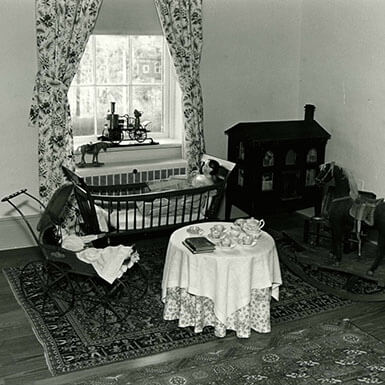
Carpets from the Collection of W. Parsons Todd

Potatoes Past and Present
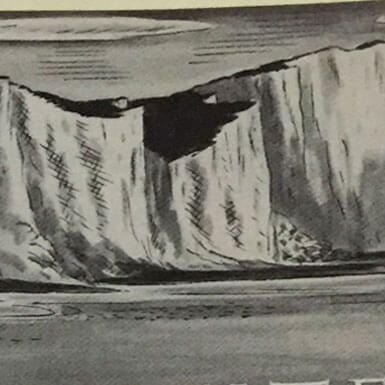
The White Cliffs and Macculloch Hall
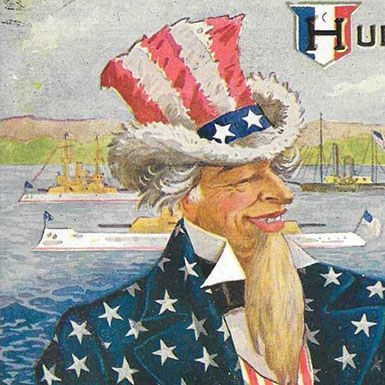
The Hudson-Fulton Celebration of 1909